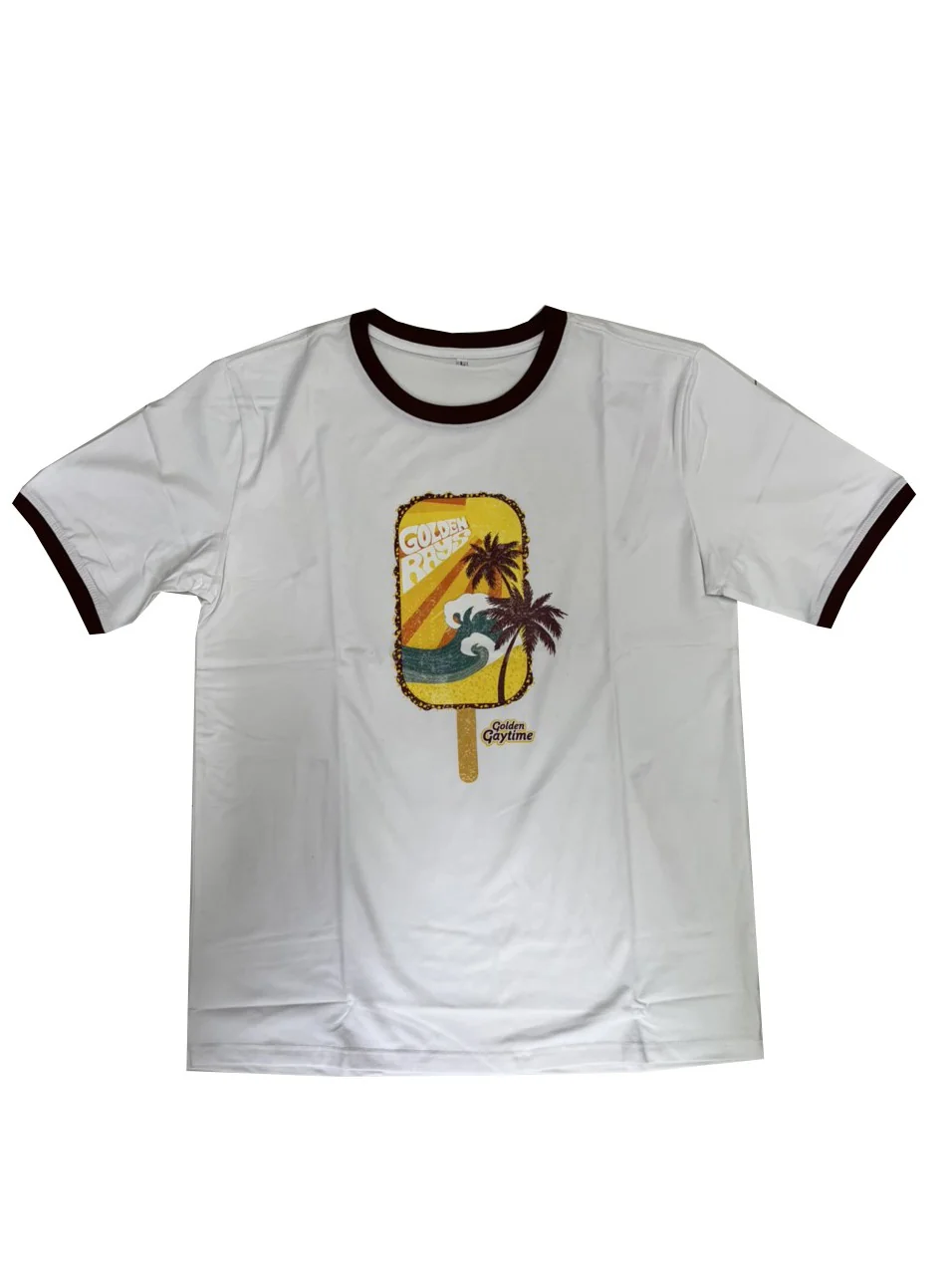
Logo printing is the single most important step in making a corporate gift — the same product with a sharp, colorfast logo looks professional, while a logo that smears, peels, or shifts color after just a few uses backfires, leaving recipients with a poor impression of both the product and the brand. In practice, most logo-printing problems don't come from the design itself but from choosing the wrong printing technique for the product's material, or skipping the sampling step before a large production run. Here are 5 tips to help businesses minimize these risks when printing a logo on gifts.
Common logo-printing techniques today
Before getting into specific tips, it helps to understand the printing techniques commonly used for corporate gifts. Screen printing is the traditional technique, well suited to large volumes, reasonably priced, and colorfast, but limited when a logo has too many colors. Heat-transfer printing (decal, heat press) gives a sharp image and suits multi-color or gradient logos, usually used on thin cotton or polyester fabric. Embroidery is the most durable technique over time, suited to simple logos with few details, commonly used for uniforms and caps. Each technique has its own strengths and weaknesses, and none is the best choice for every case — choosing the right one depends on the product's material, the logo's complexity, and the order quantity.
1. Match the printing technique to the product's material
This is the single most important consideration, and the most common reason a logo peels or fades quickly. Cotton and canvas absorb well, so they suit screen printing or heat-transfer printing, since the ink can soak deep into the fibers. Nylon and polyester have a smoother, less absorbent surface, so they suit decal or heat-press printing better — techniques that form an ink layer on the surface rather than soaking into the fibers. Applying the wrong technique — screen printing directly onto smooth polyester, for example — leaves the ink layer poorly adhered and prone to peeling after just a few washes or uses. For non-fabric products such as faux-leather or PVC bags, more specialized techniques like heat pressing or embossing are needed instead of standard fabric-printing methods.
2. Always request a sample before mass production
A physical sample lets you check color adhesion, sharpness, and print position on the actual material that will be used for production — something a digital design file rarely reflects accurately, since it doesn't show how ink actually sits on a given fabric. Sampling matters most for first-time orders or logos with multiple colors or fine details, since these are the cases most prone to differences between the design file and the finished product. Skipping this step to save time can lead to a much bigger risk: an entire large batch coming out with the same flaw, with no time to fix it before the delivery date — costing both money and event timelines.
3. Weigh the logo's color count and complexity
The more colors and fine details a logo has, the more complex the printing technique, the longer production takes, and the higher the cost. For large orders or tight budgets, consider a single-color or simplified version of the logo — many major brands already keep a simplified logo variant specifically for applications like gifts and uniforms. Simplifying the logo not only saves cost but also makes it read more clearly on small surfaces like a cap or a drawstring bag, where a limited print area can make a highly detailed logo look blurry and hard to recognize.
4. Pay attention to print placement on each product type
Print placement should avoid seams, zippers, folds, or any stress points during use — these are the areas most prone to cracking, shifting, or peeling faster than a flat surface. For bags, avoid printing right at the bottom fold; for shirts, favor the left chest or center back over positions near the sleeve seam. Good placement also accounts for how the product is actually displayed or folded in daily use — a logo in the right spot stays visible even when a bag is folded into a backpack or a shirt is folded in a drawer, rather than being completely hidden.
5. Tell recipients how to care for the product after receiving it
Even with the right printing technique, a product can still fade quickly if the owner doesn't care for it properly. For printed products, recommend hand-washing or a gentle machine cycle, and avoid washing alongside items with zippers or rough surfaces that can rub and scratch the printed layer. Also avoid prolonged direct sun exposure, since high heat can make some inks brittle and prone to cracking over time. For premium gift items, consider including a small care-instruction card with the product — it helps preserve the logo's quality longer and adds a thoughtful, considered touch to the brand's image.
What determines the cost of logo printing?
The cost of printing a logo on a corporate gift usually depends on four main factors: the printing technique chosen, the number of colors in the logo, the print area, and the order quantity. The larger the quantity, the lower the cost per unit tends to be, thanks to better-optimized machine setup and material use. Before locking in a budget, discuss the expected quantity and logo complexity clearly with the manufacturer to get the most accurate quote, rather than relying on a generic reference price.
Frequently asked questions
Which printing technique is most durable?
Embroidery is usually the most durable over time but suits simpler, low-color logos better.
Is sampling required before printing a large order?
It's not strictly required, but strongly recommended, especially for first-time orders or detailed logos, to avoid an entire batch coming out with the same flaw.
Can a multi-color logo be printed on any material?
Yes, but you'll need the right technique for each material — it's best to get advice first to ensure the best possible colorfastness.
A sharp, long-lasting printed logo doesn't come down to a single factor — it's the right combination of printing technique, product material, and a proper sampling process before mass production. At Phan Nguyen, every logo-printing order is sampled and approved before it goes into full production, minimizing the risk of smudging or design mismatches. Browse products available for logo printing or get in touch for advice on the right printing technique.